Kraftwerk Plessa
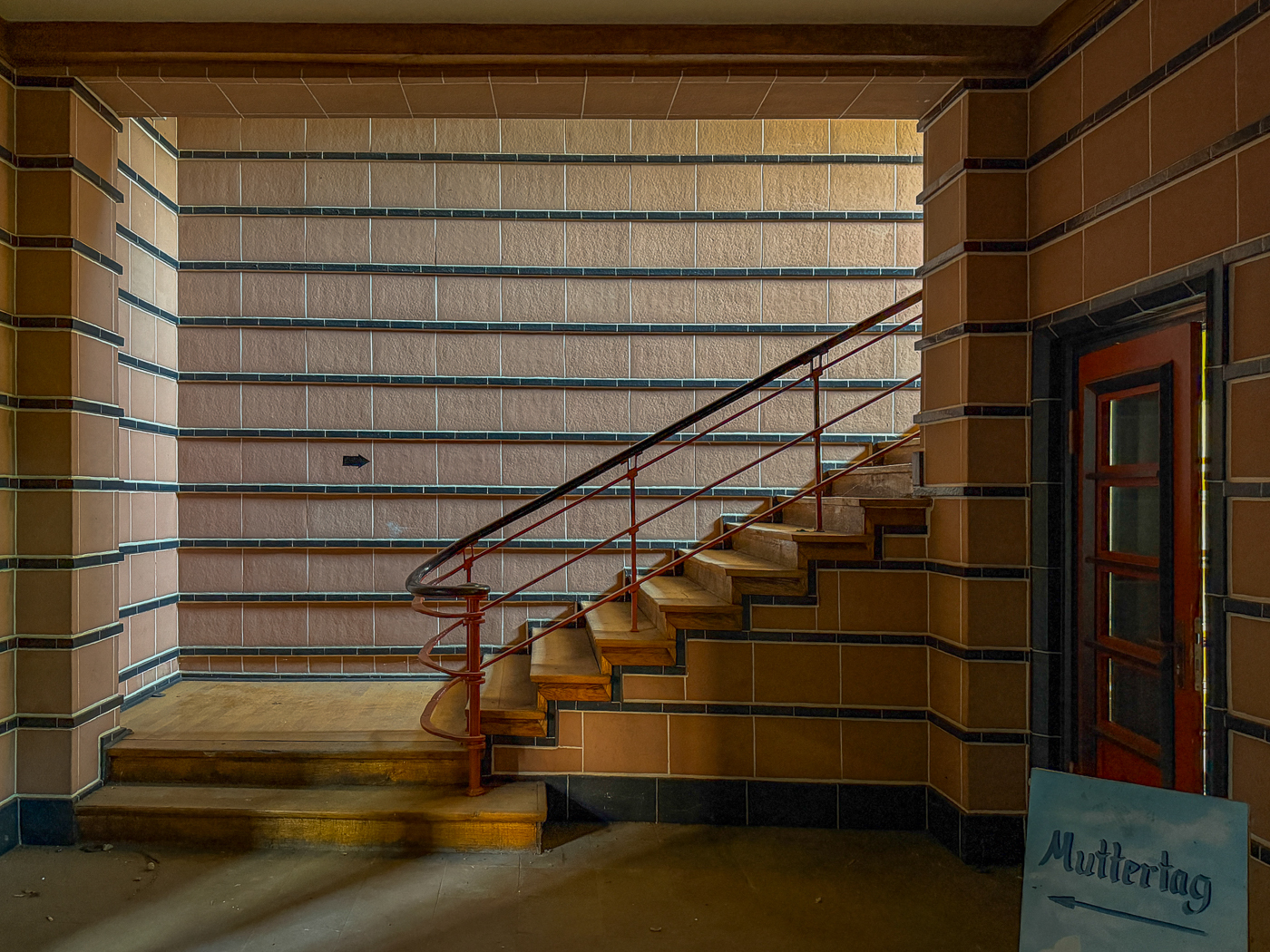
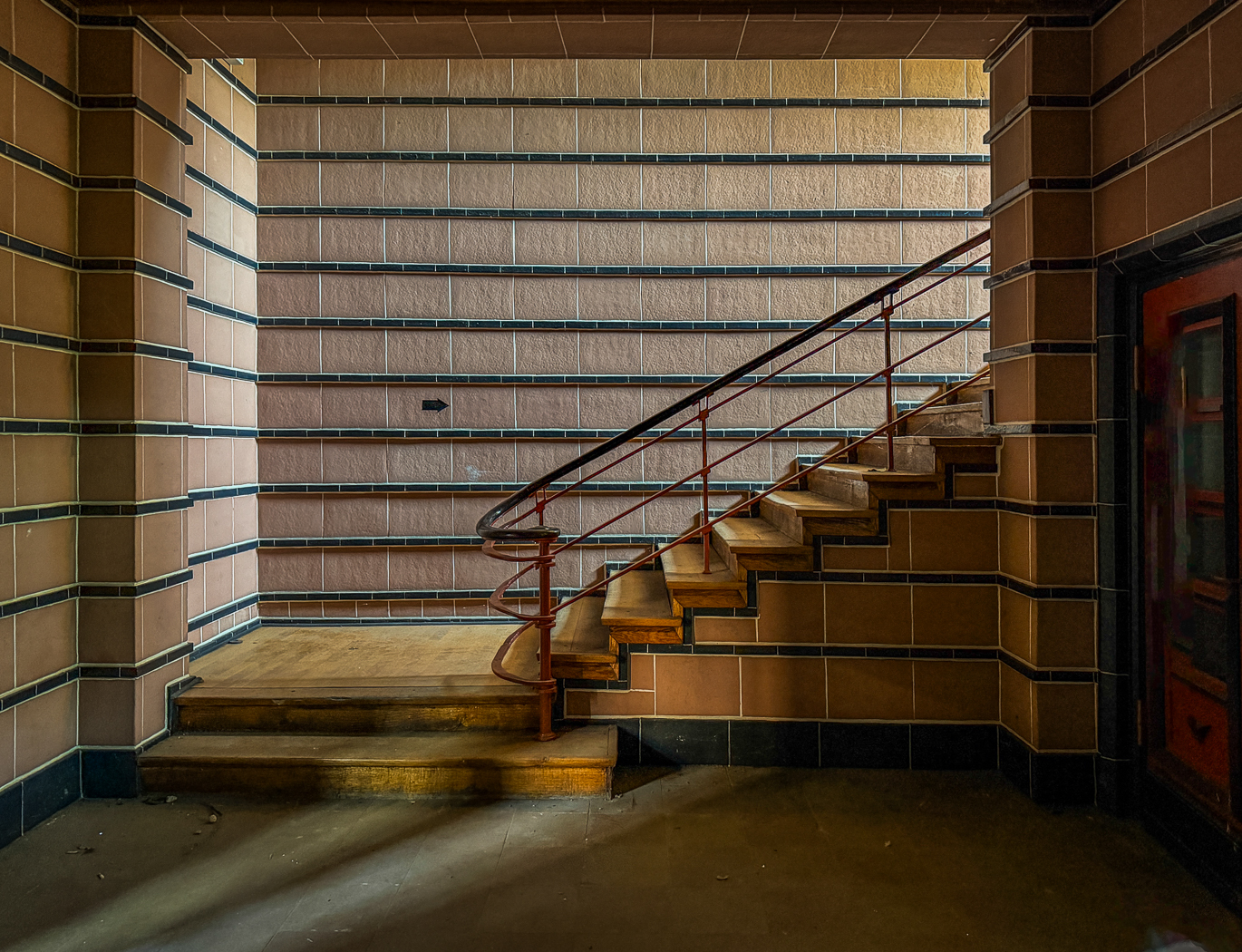
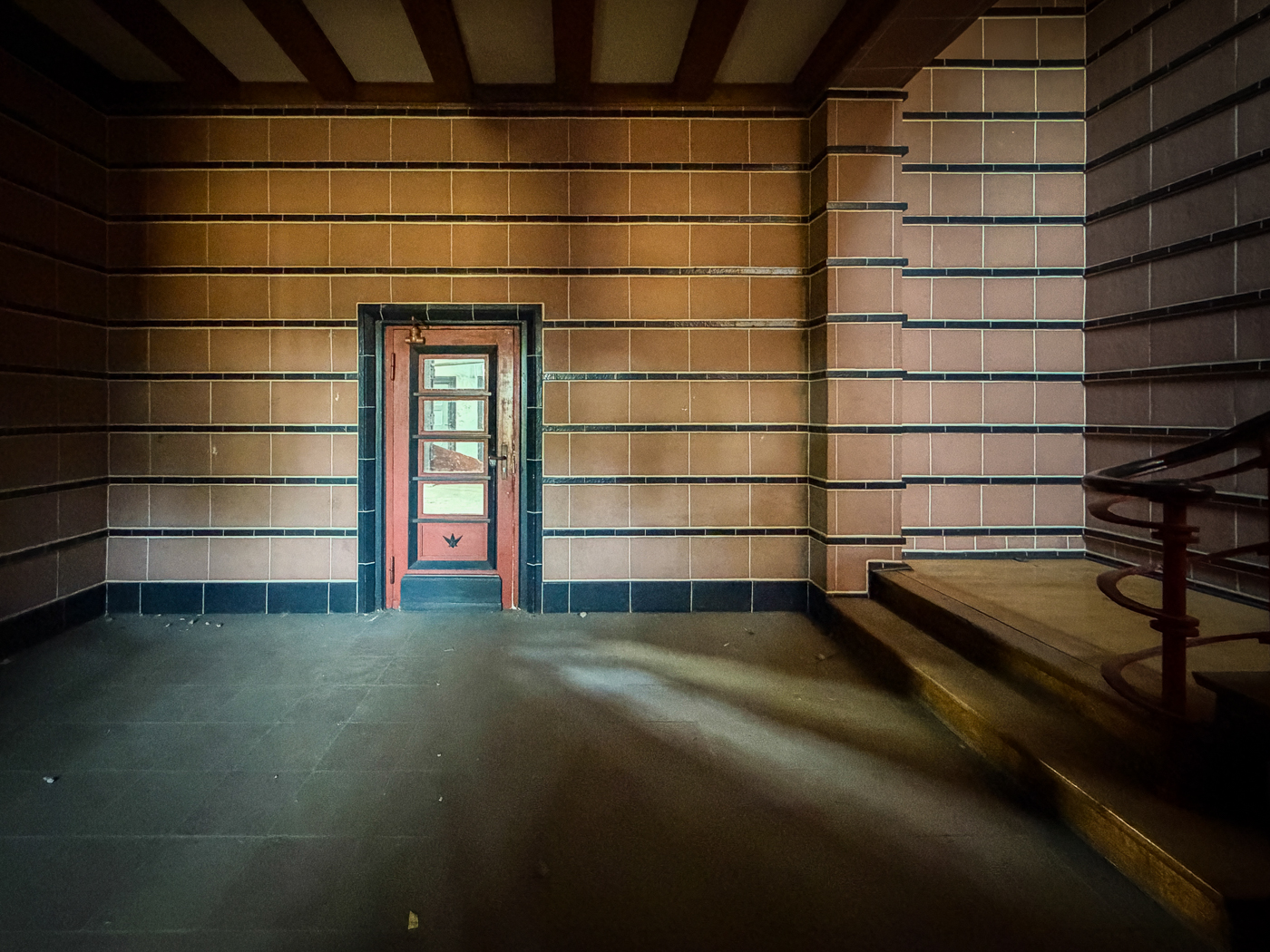
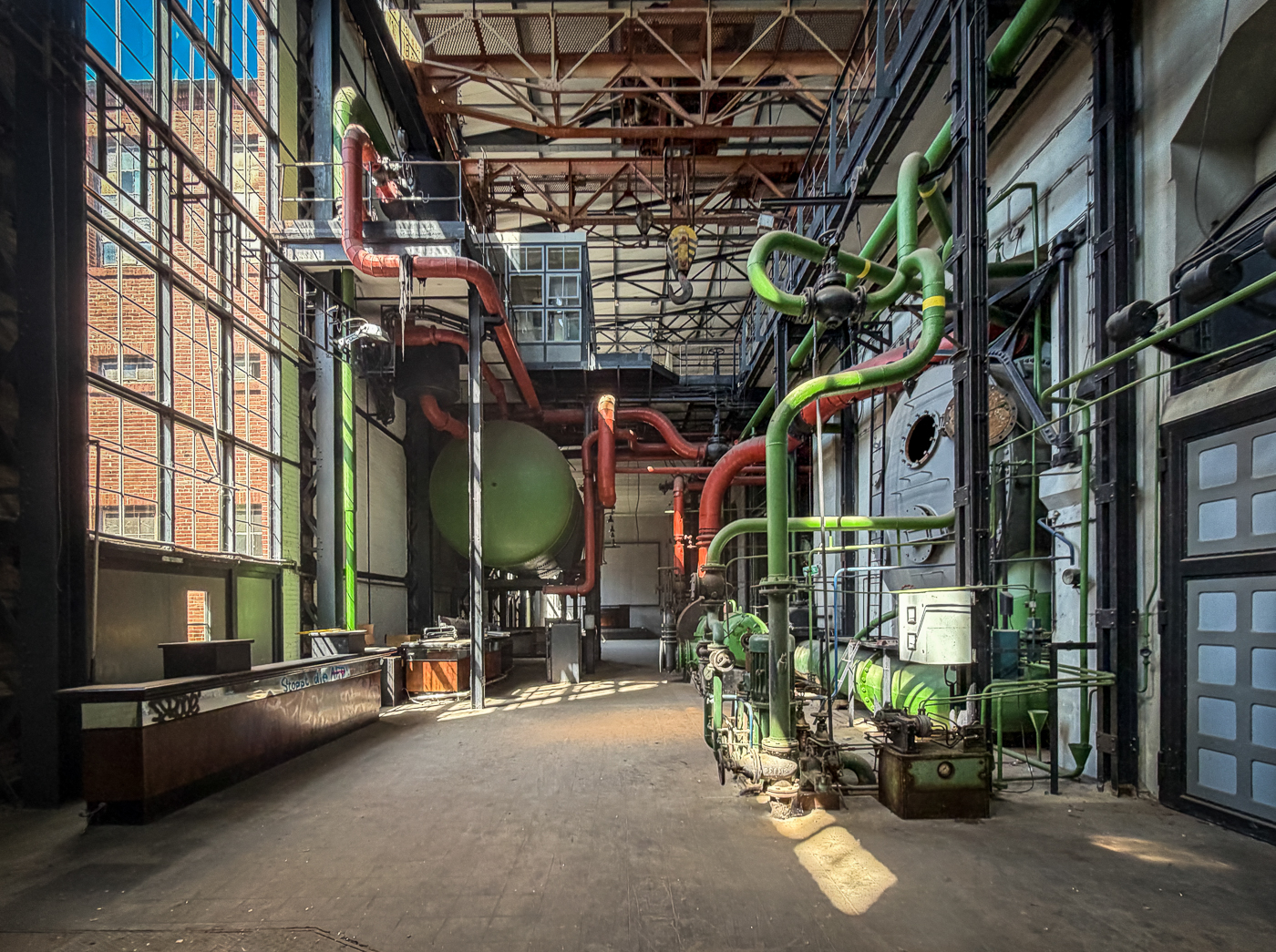
The Plessa power station in Lusatia, a lignite-fired plant from 1927 with vast machine halls and expressionist architecture, silent since 1992 and slowly giving way to time.
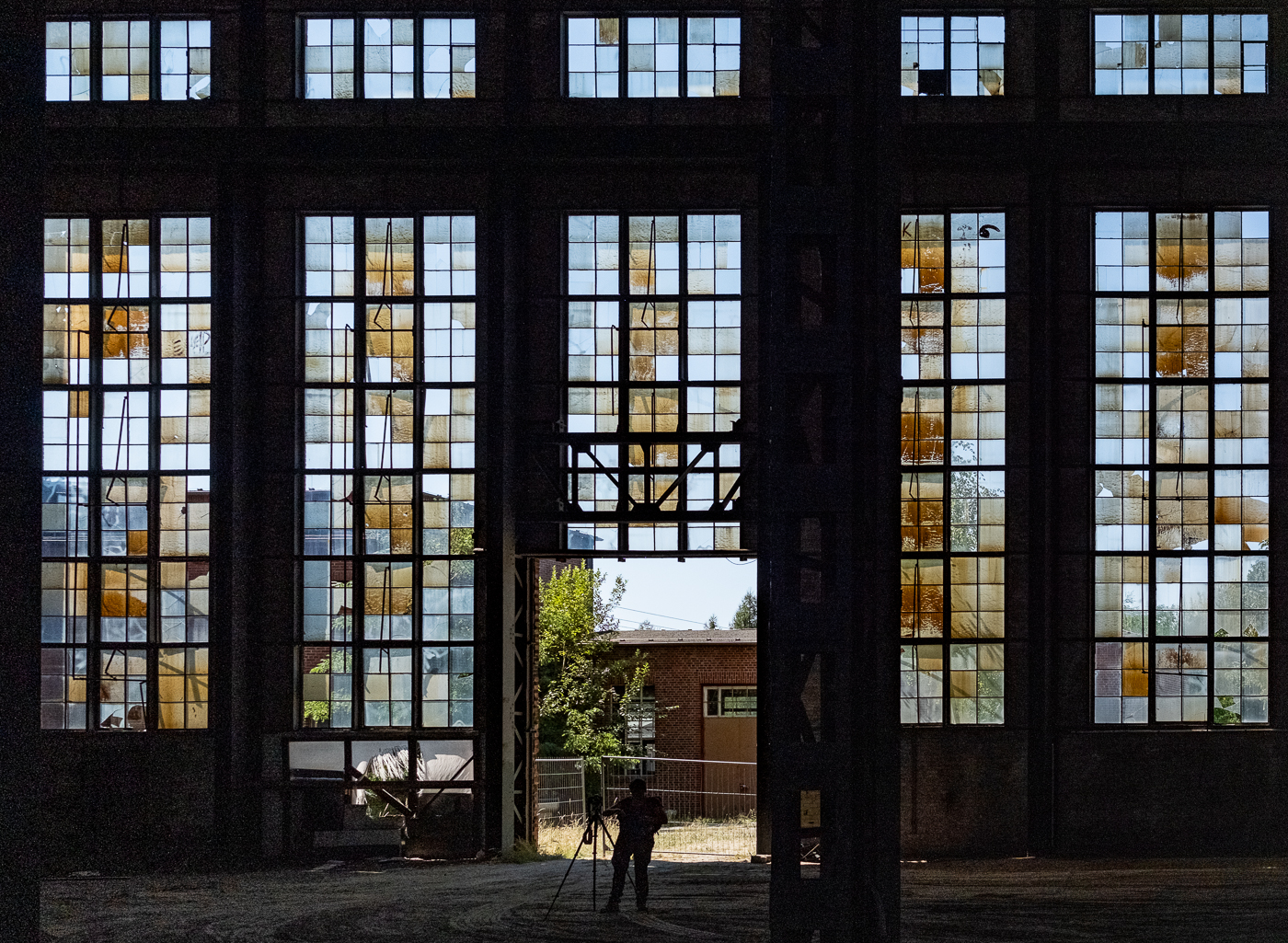
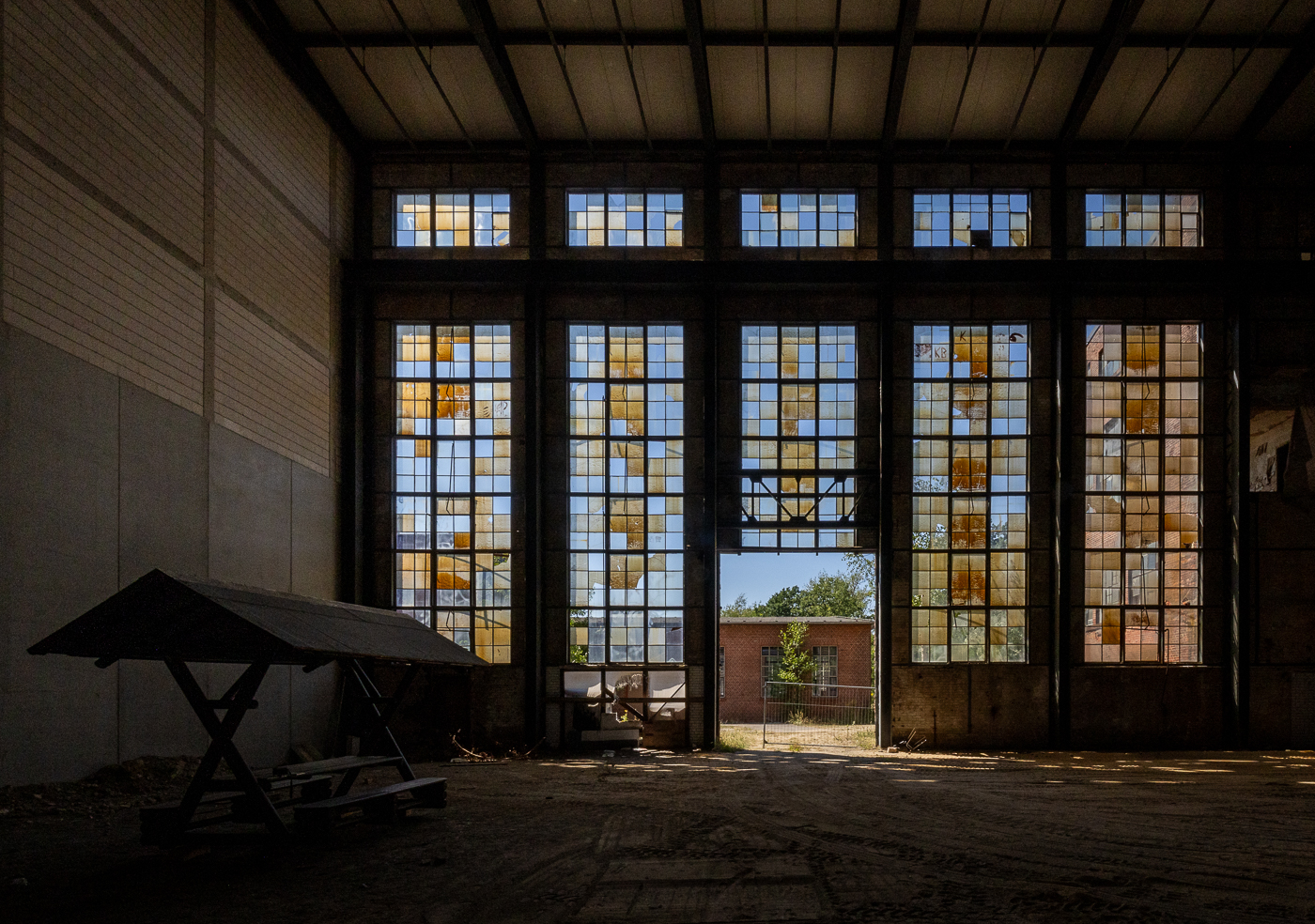
Plessa lies near Elsterwerda in Lusatia, a region shaped by more than a century of lignite mining. Its power station, standing beside the Louise briquette factory, is one of the great lost places of eastern Germany. It is known for its enormous halls and expressionist architecture, and the two sites together form a remarkable ensemble of industrial heritage.
Built in a year
The area was already a pioneer of open-cast mining: in 1924 the world’s first overburden conveyor bridge went into service at the nearby Agnes mine. In 1926 the regional electricity association, the Elektrizitätsverband Gröba, decided to build a modern lignite power station at Plessa. Construction took just one year, and the plant began supplying power in 1927 with an output of around 8 MW.
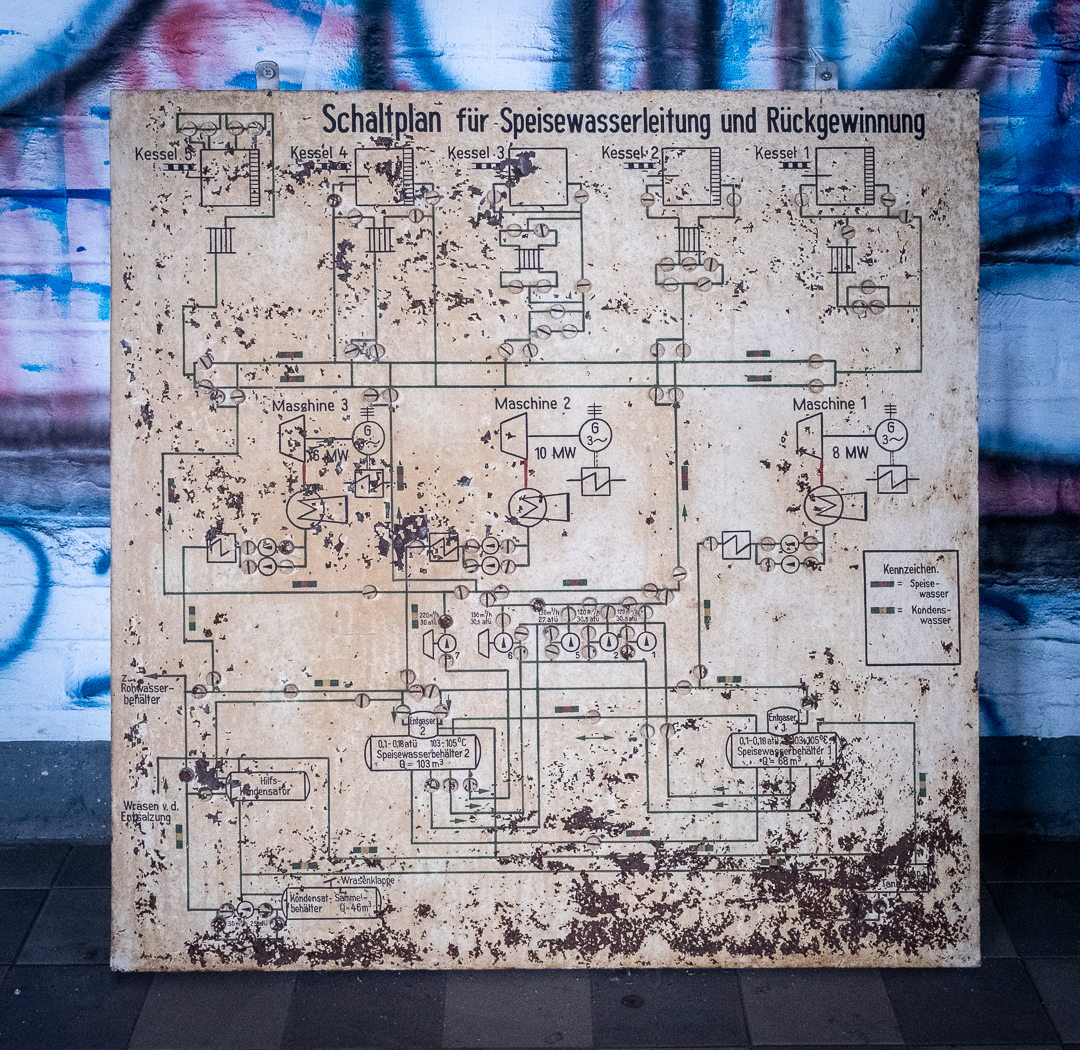
It was designed in modules so it could grow in stages. When it opened it was among the most modern lignite power stations in Europe, and by 1942 it had been expanded to 54 MW, with four turbines and five boilers.
War, reparations and the GDR
After the Second World War, Soviet occupation forces dismantled turbine 4 and took it away as reparations. Following extensive repairs and modernisation, the station was folded into the Schwarze Pumpe gas combine in 1950, one of the largest energy enterprises in the GDR.
In 1985 the power station was listed as a protected monument, recognising its architectural and historical importance.
Shutdown
After German reunification, the Treuhand agency broke up the combine in 1991. The plant passed to the municipality of Plessa and the Hanseatische AG, who looked into keeping it generating, but the plan came to nothing. In 1992 the station was disconnected from the grid and shut down for good.
Plessa today
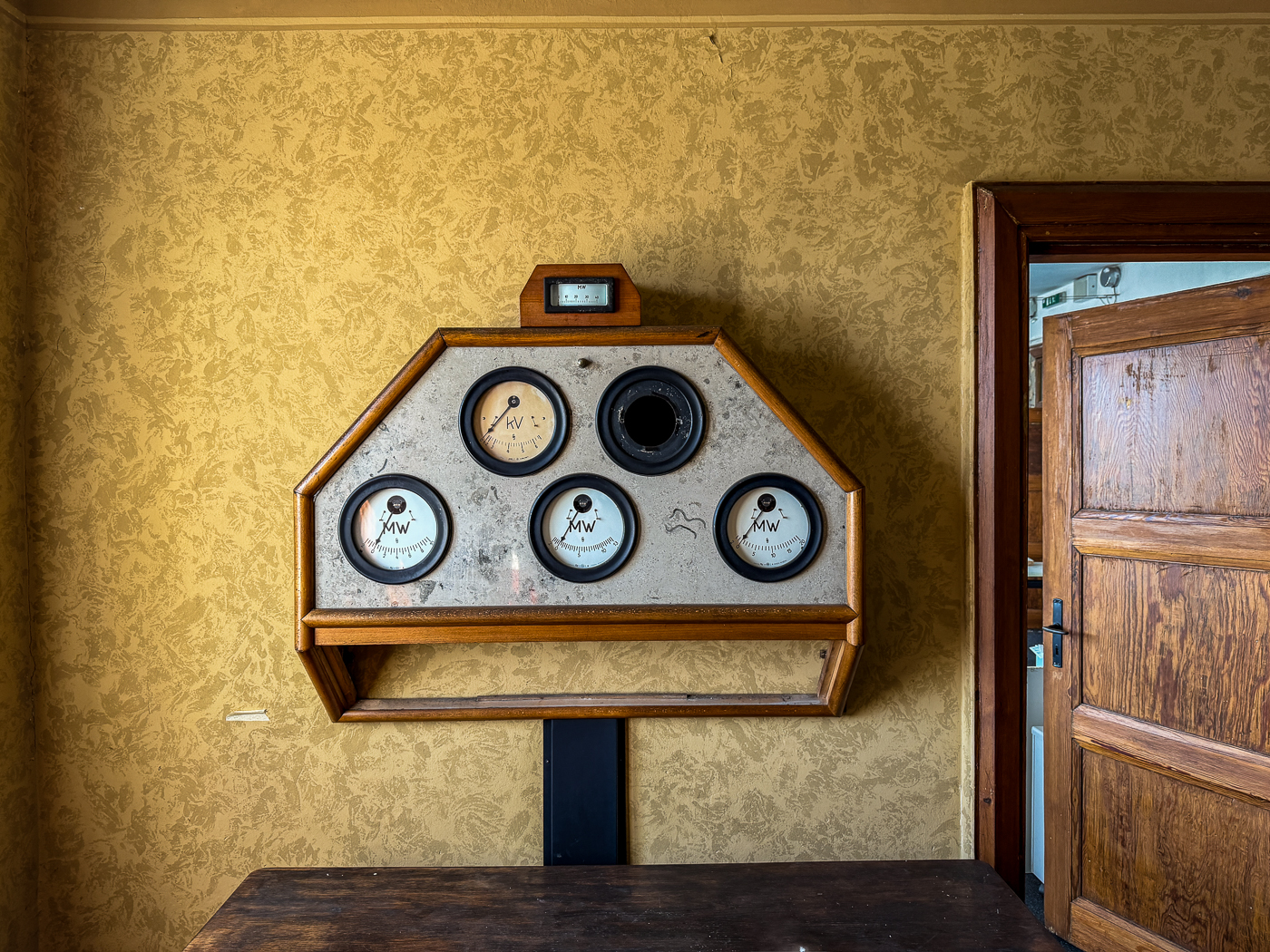
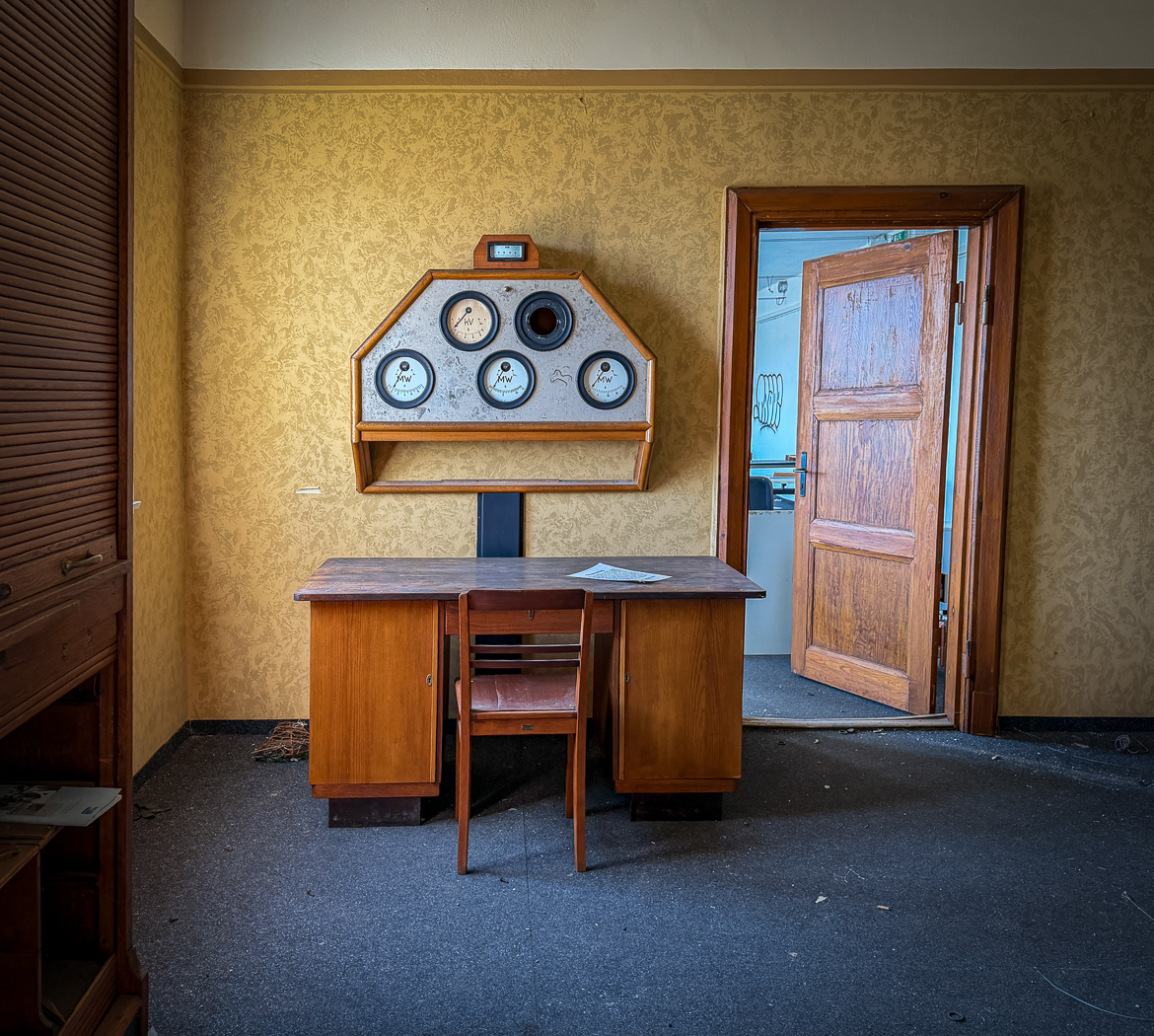
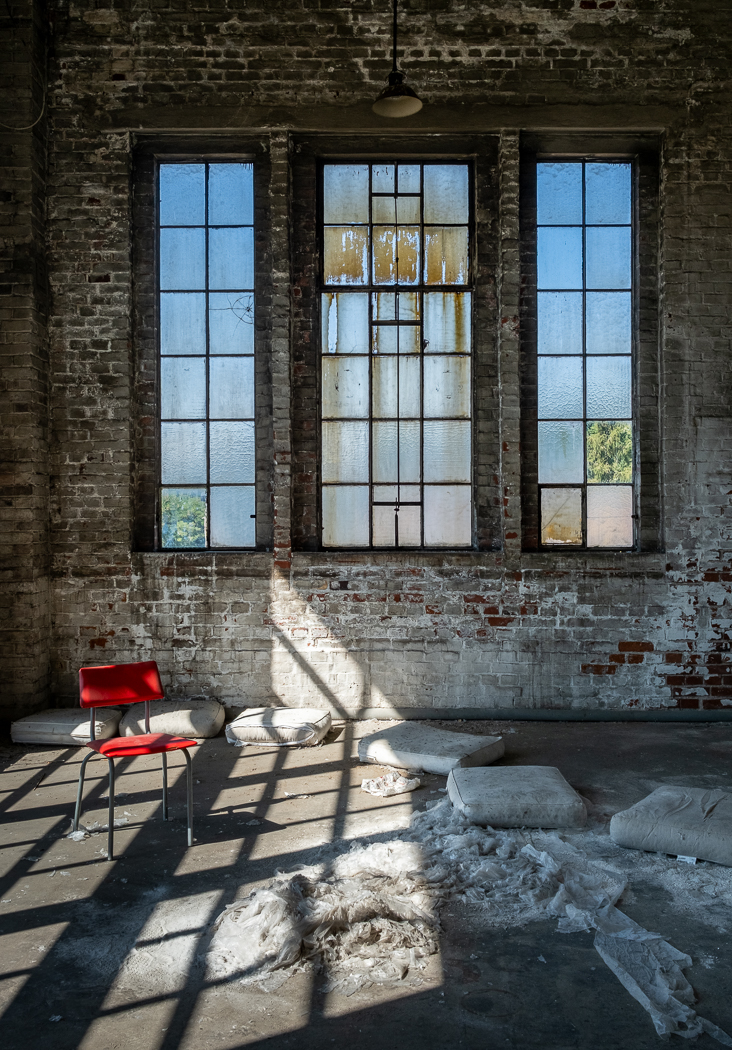
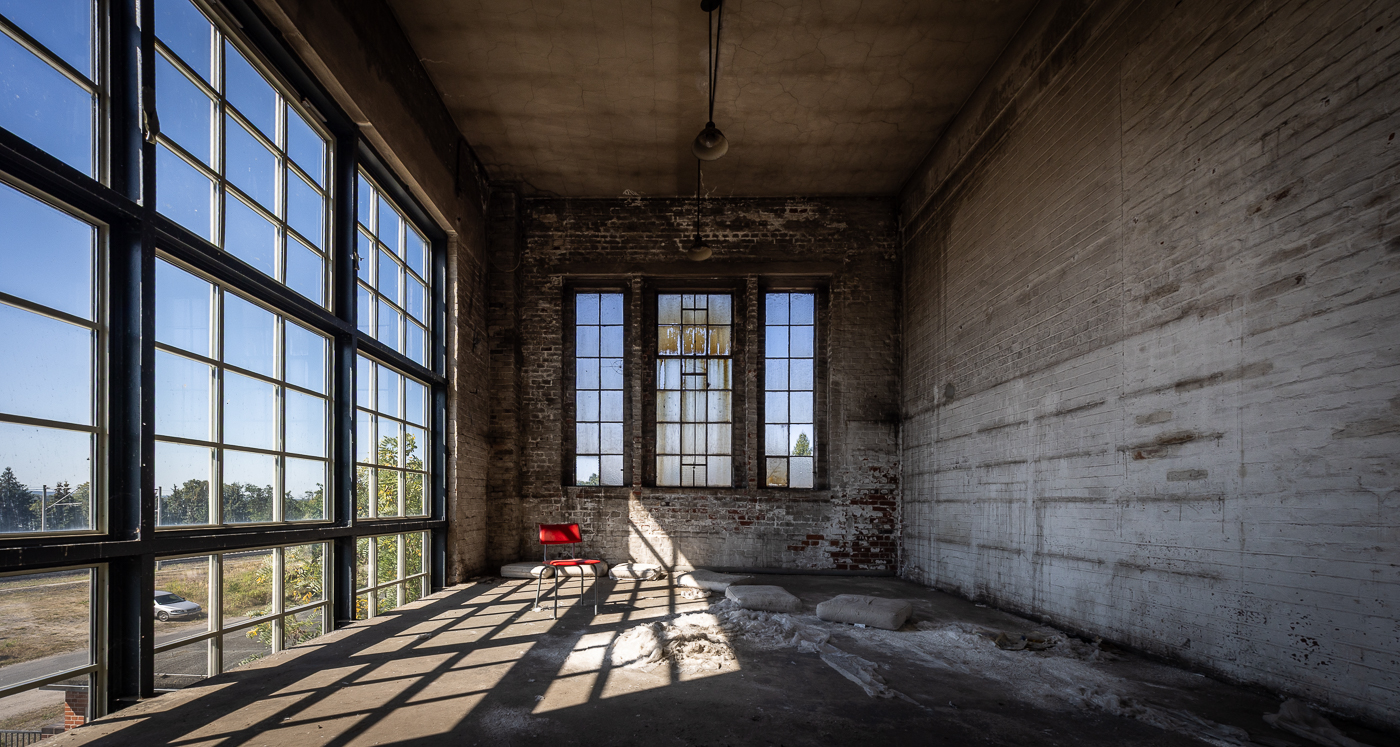
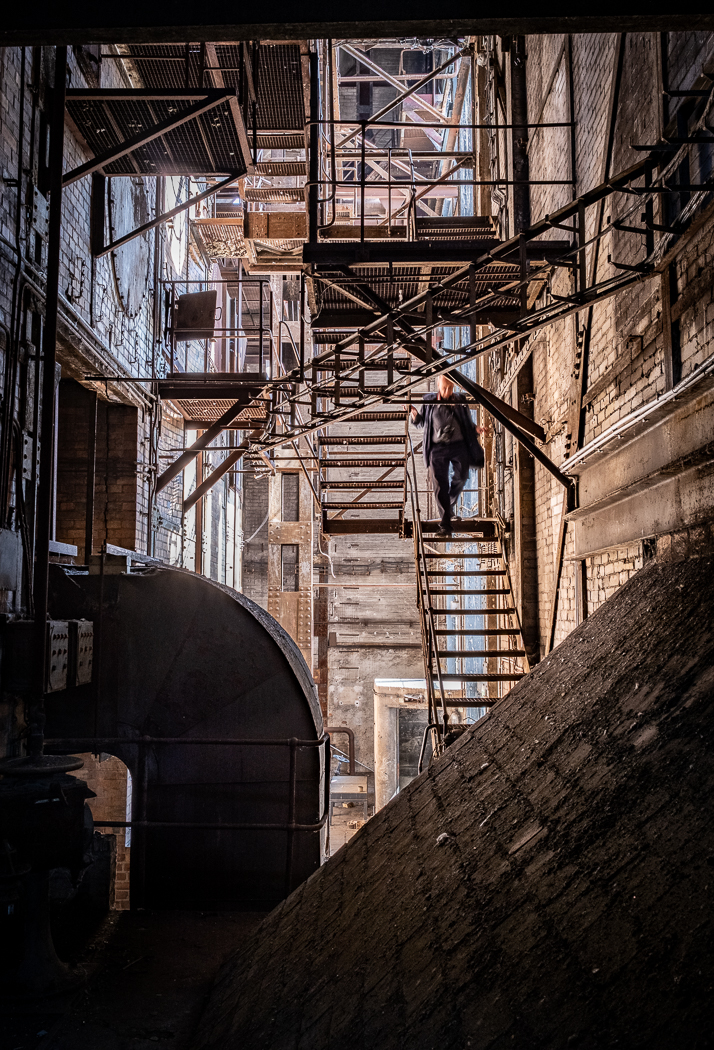
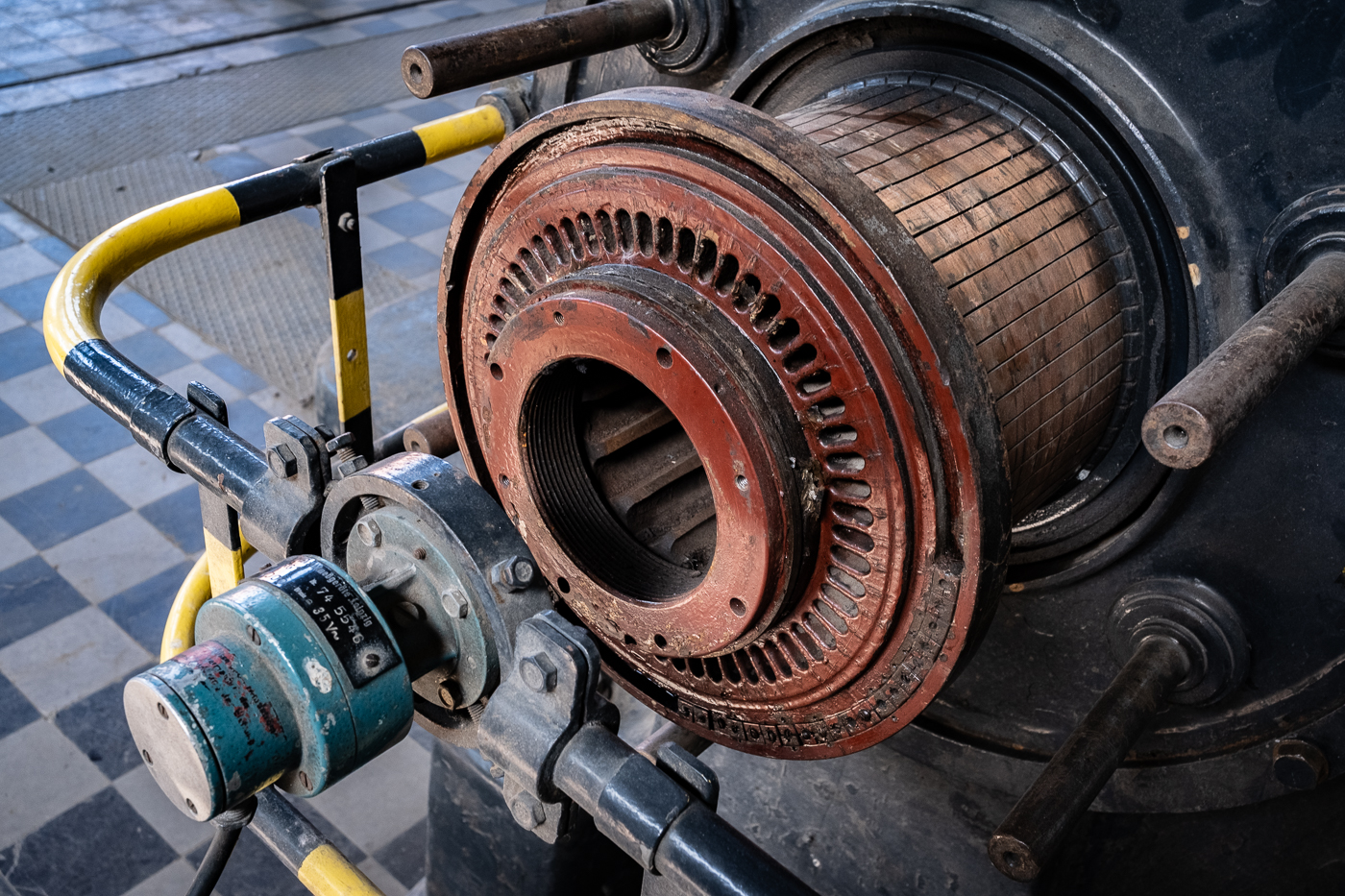
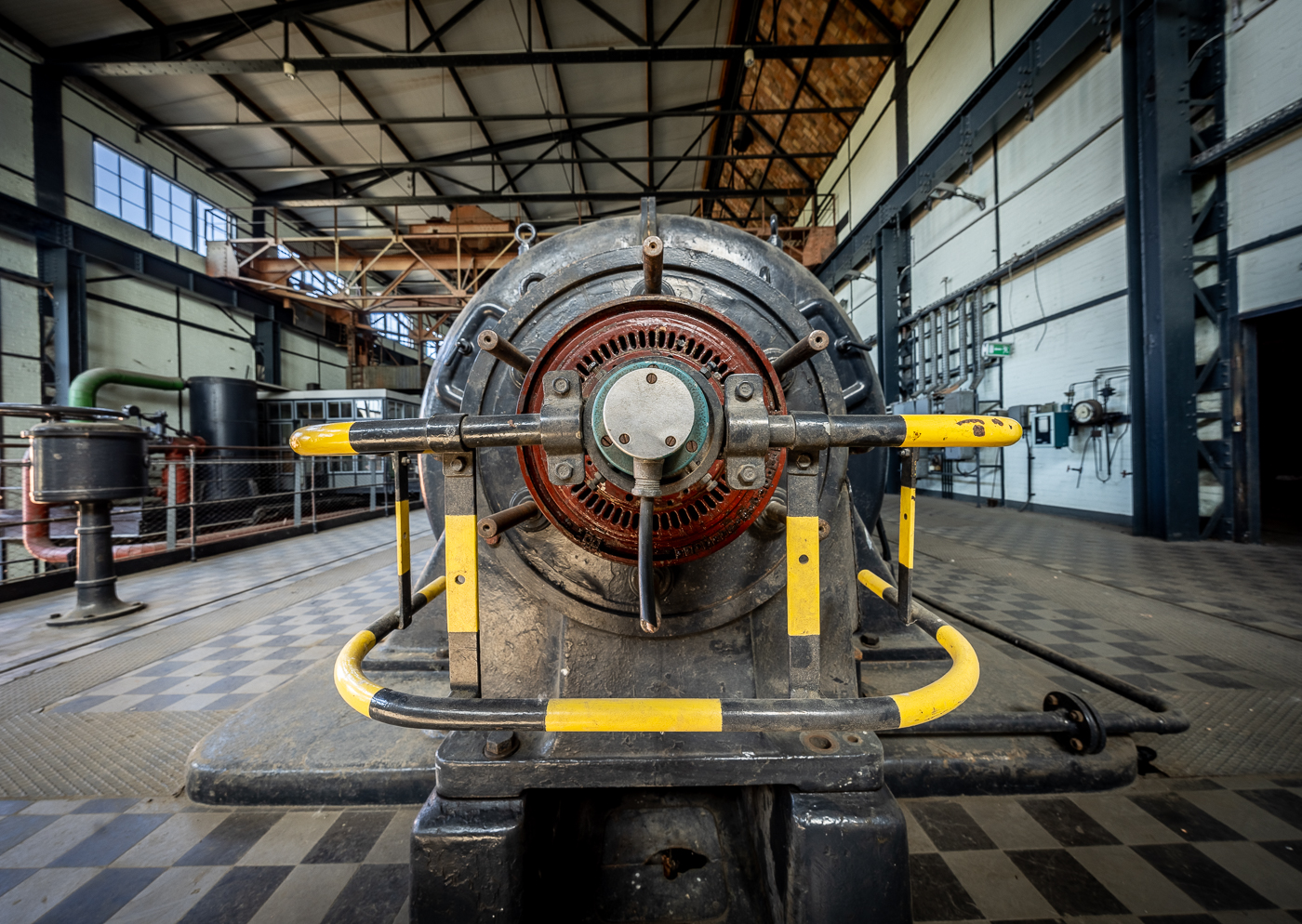
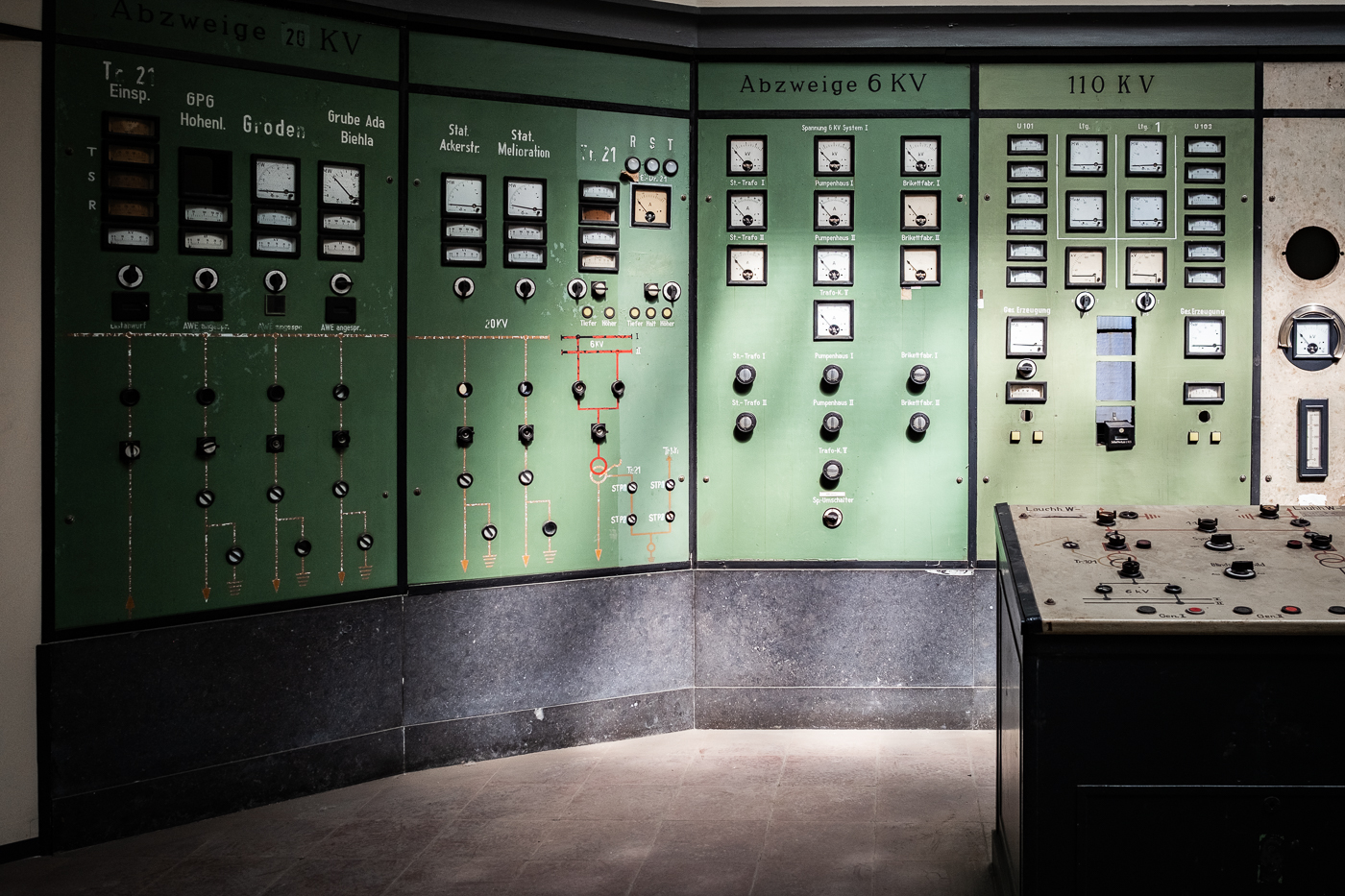
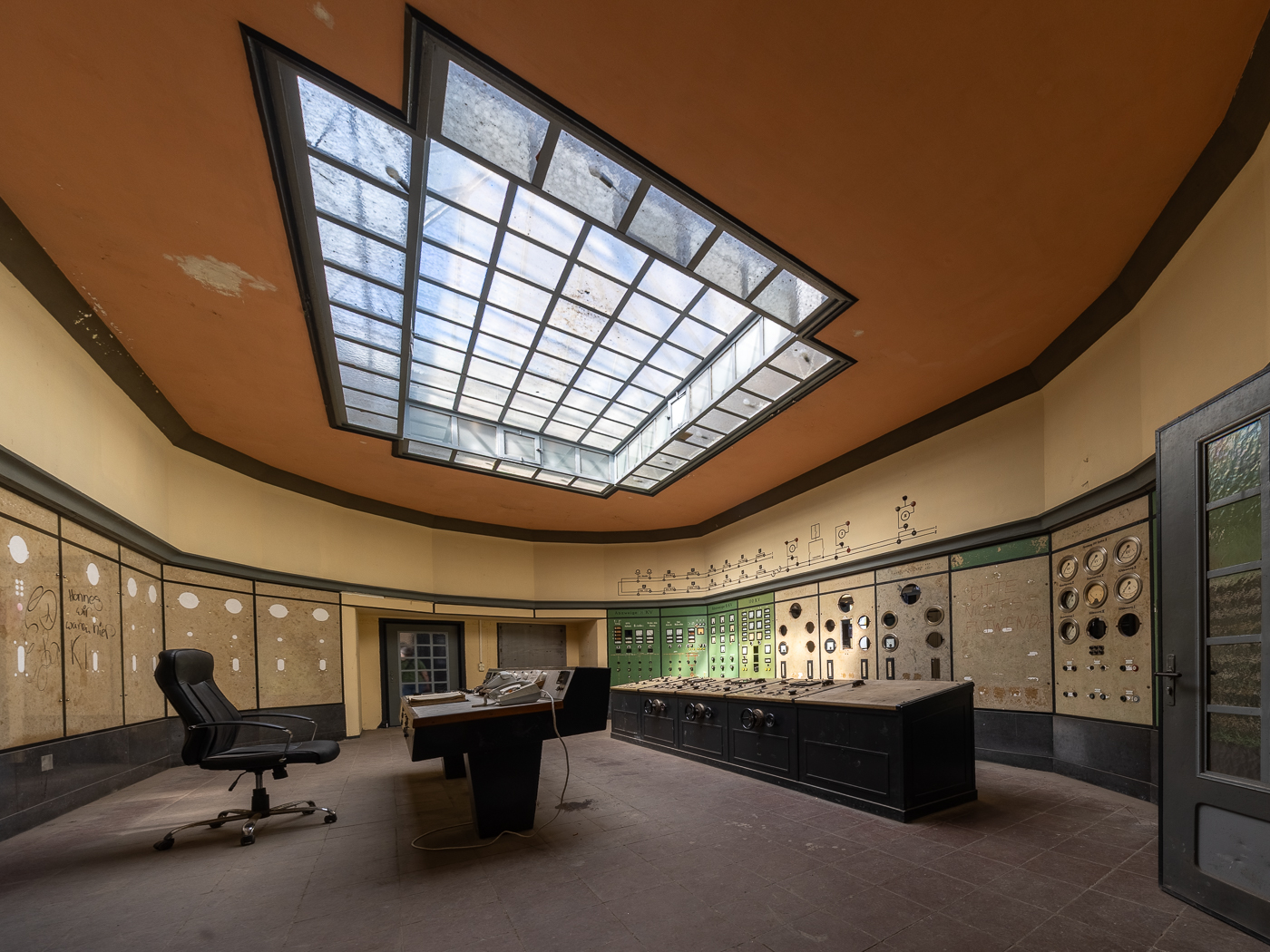
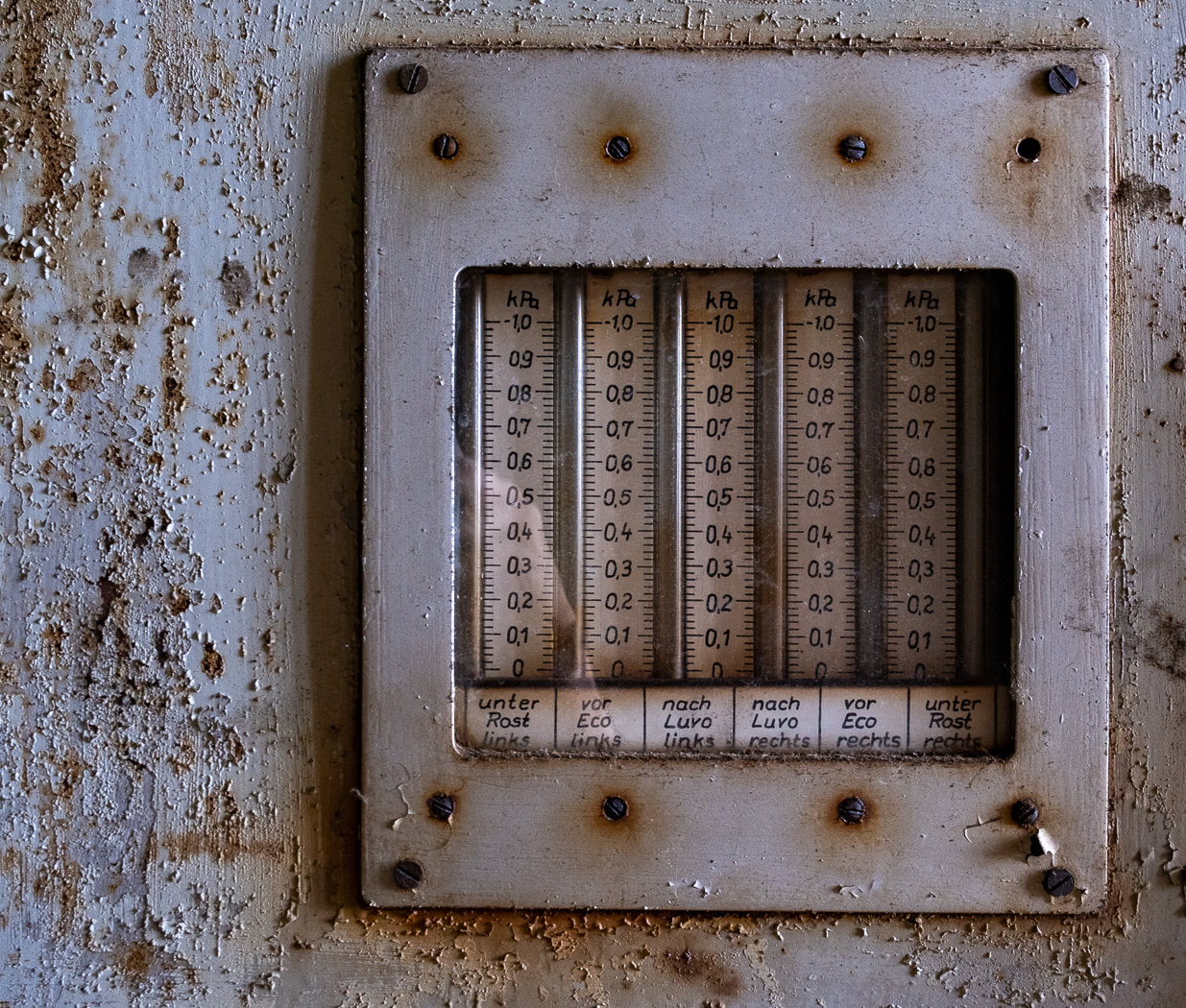
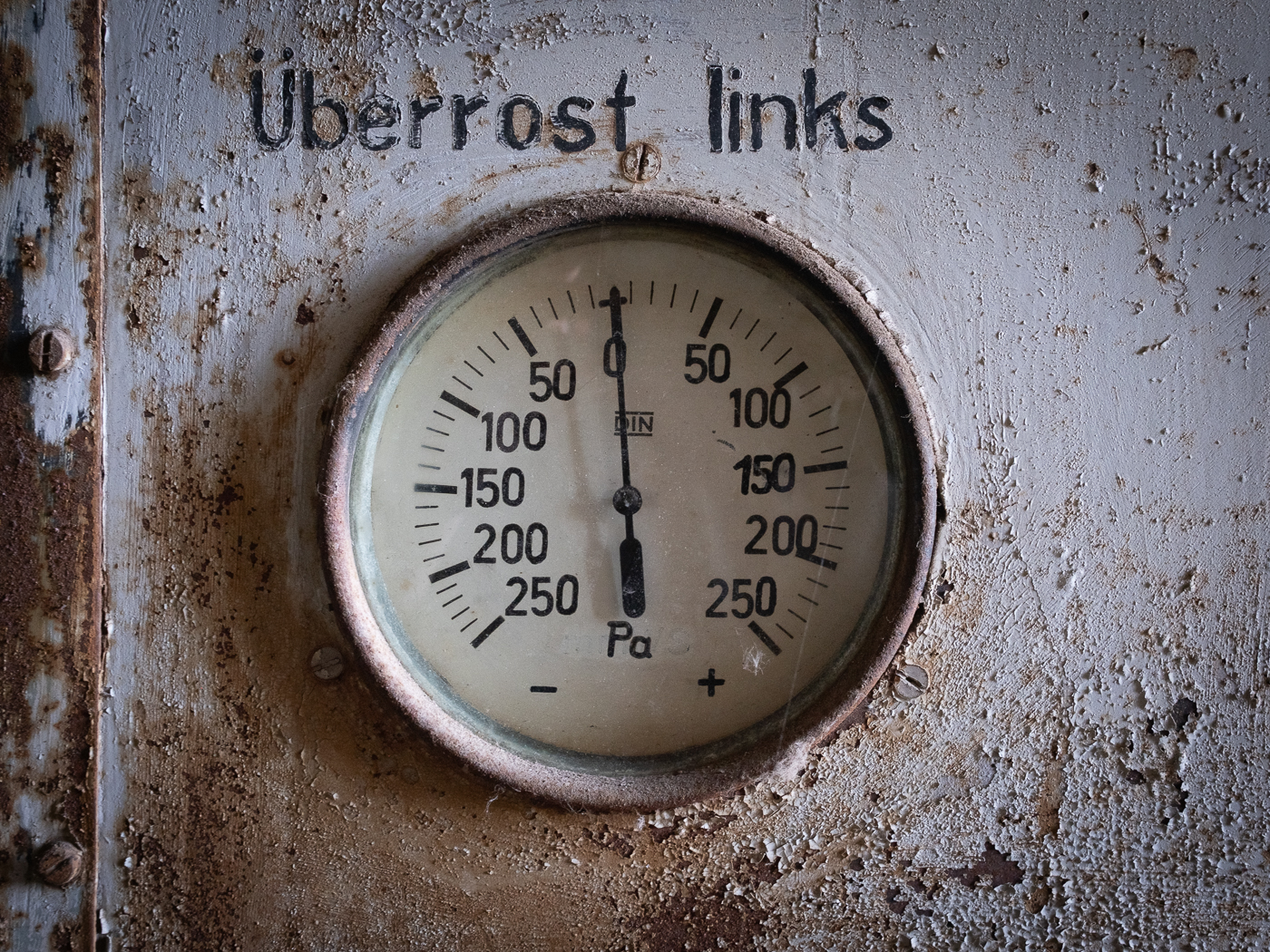
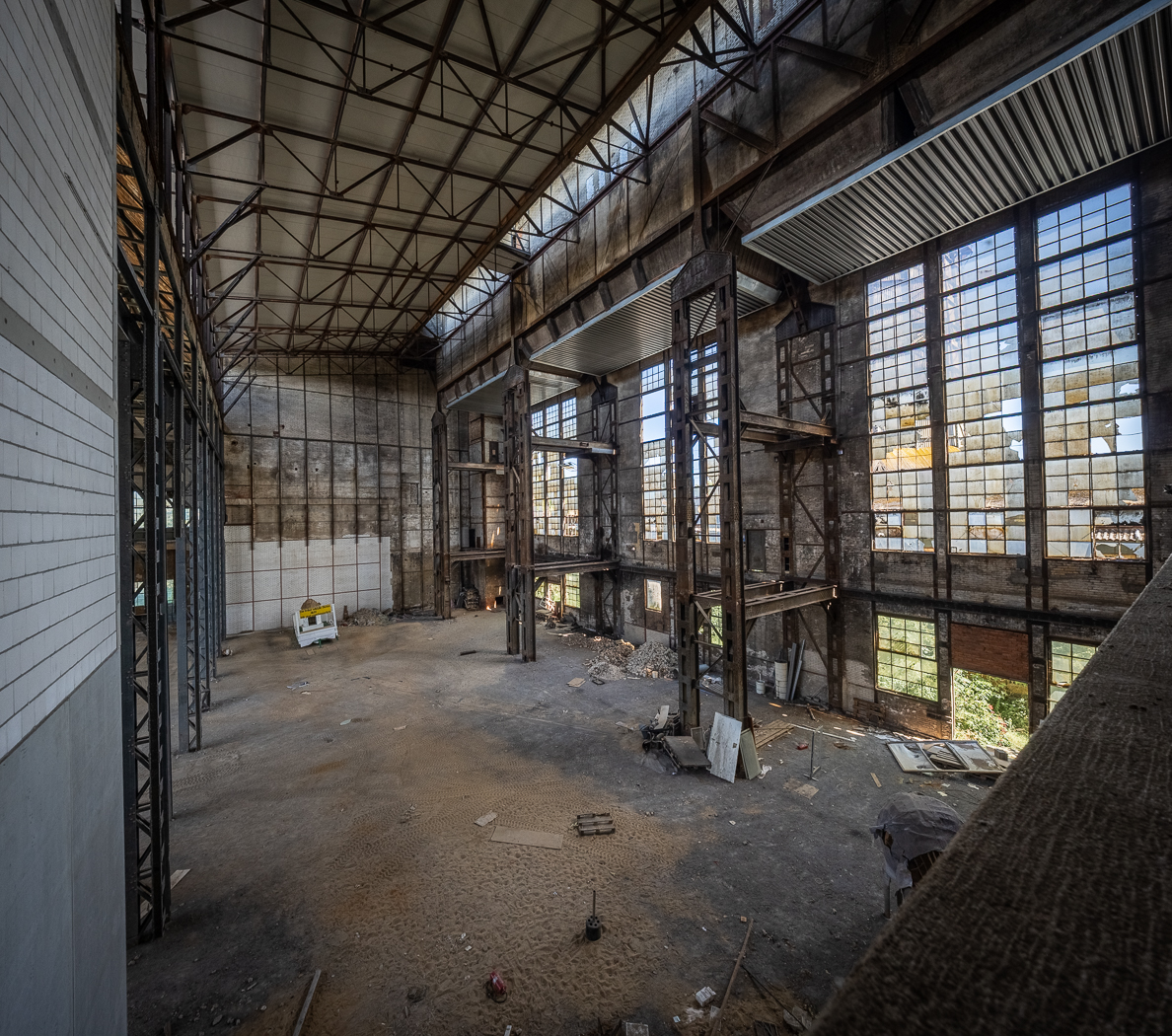
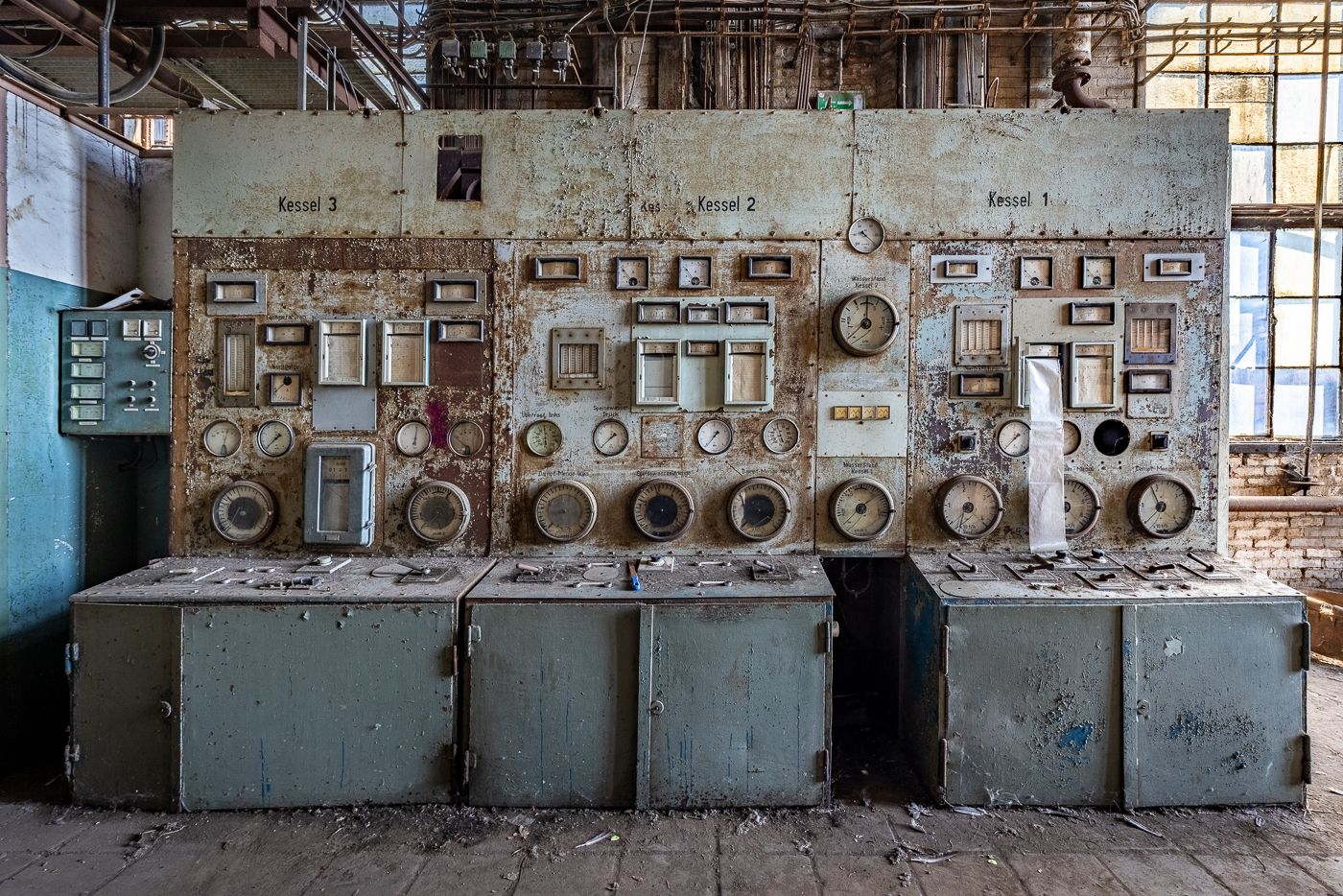
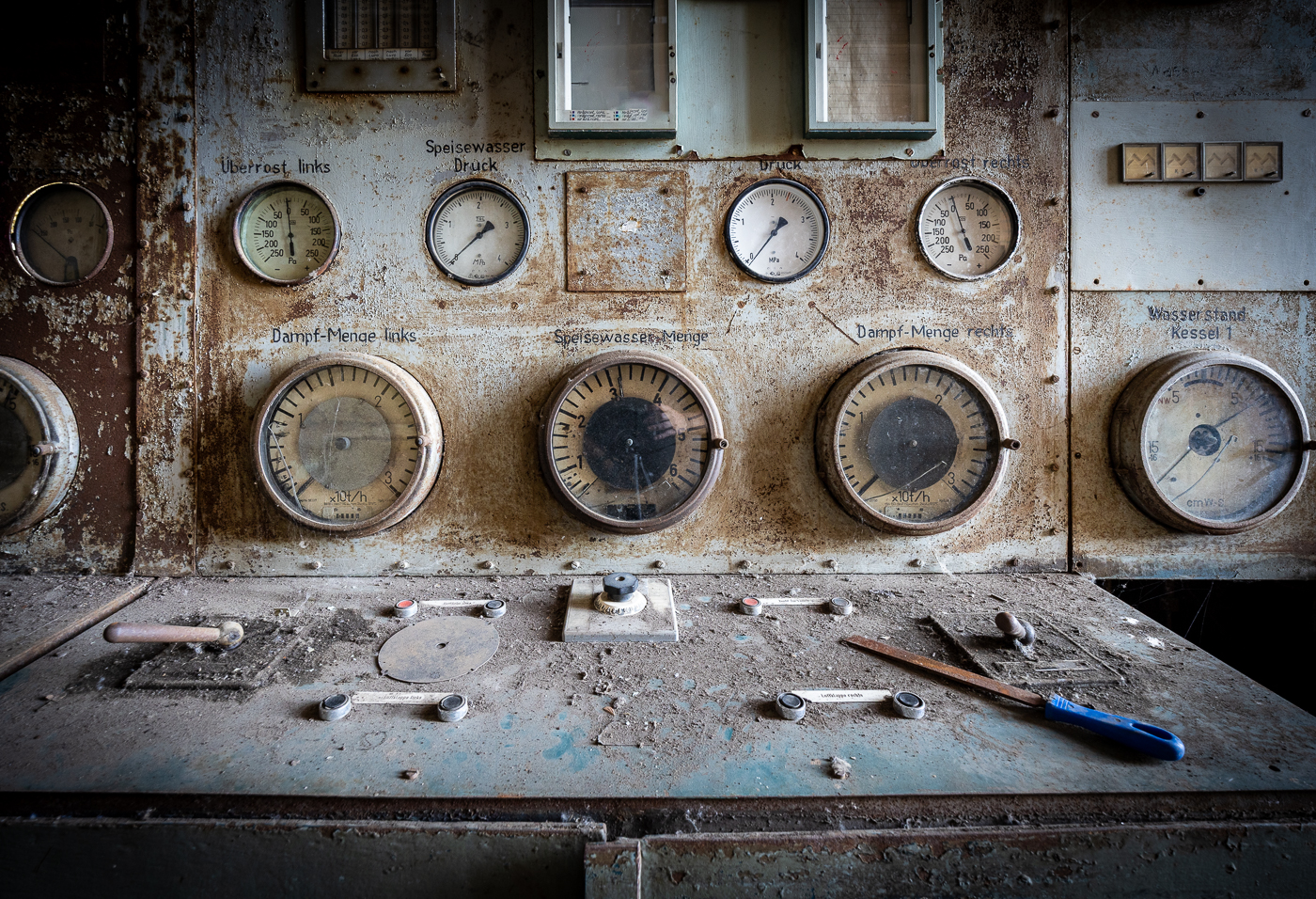
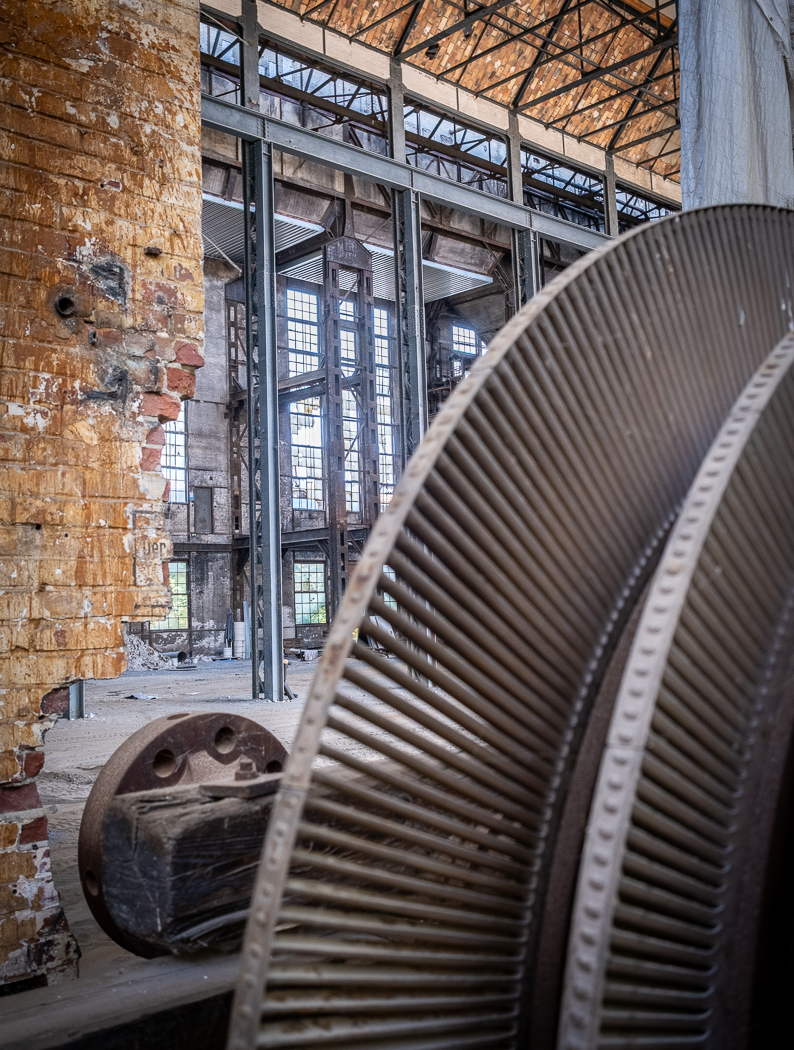
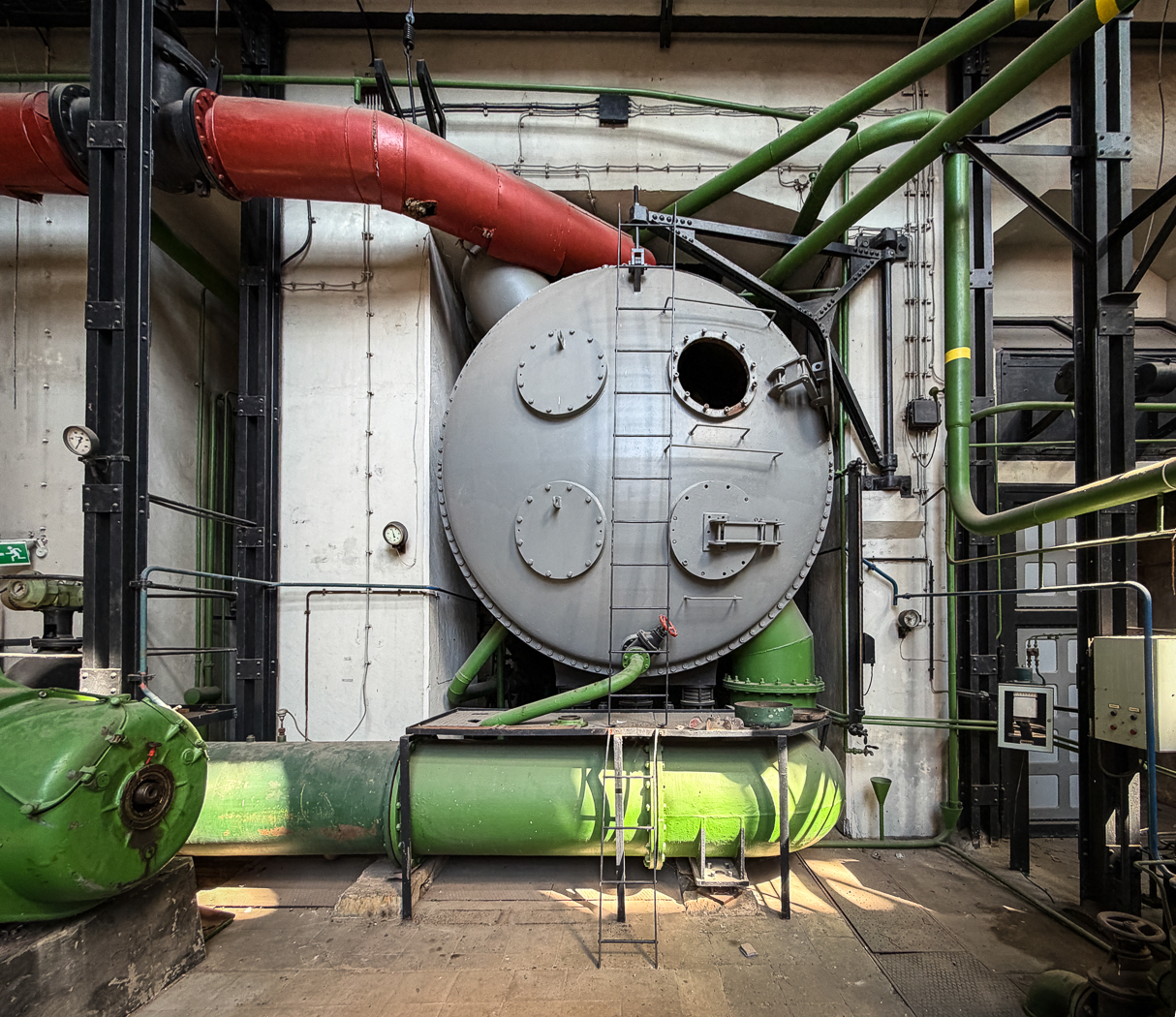
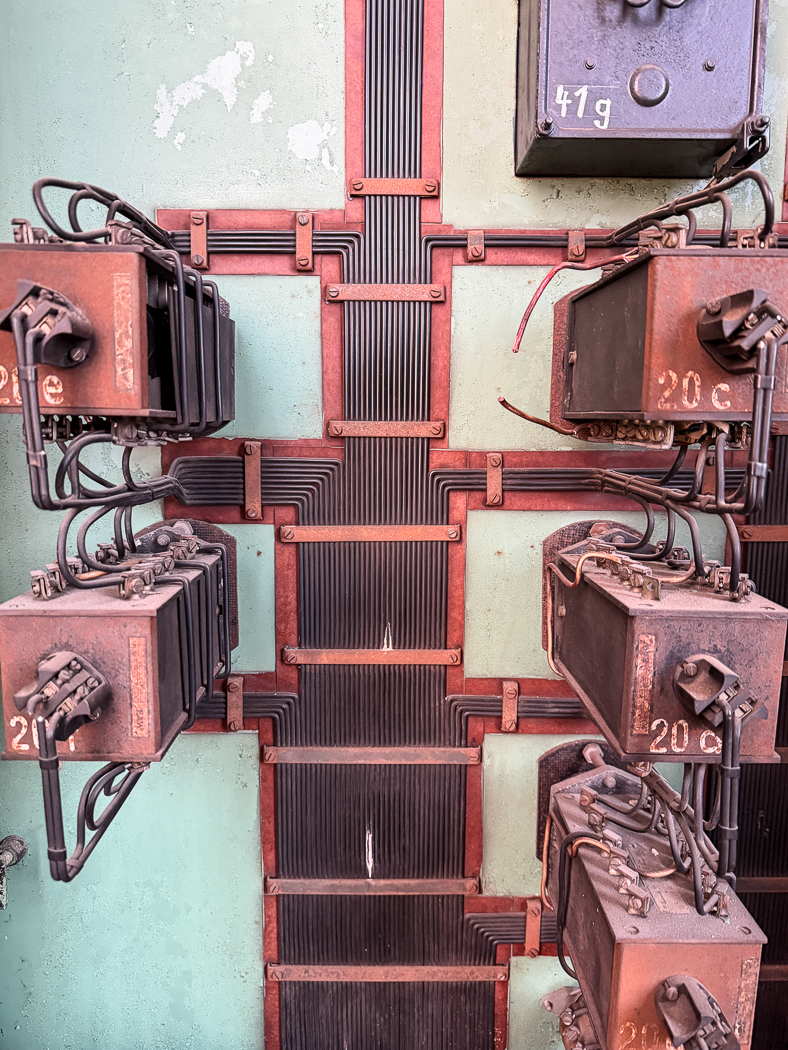
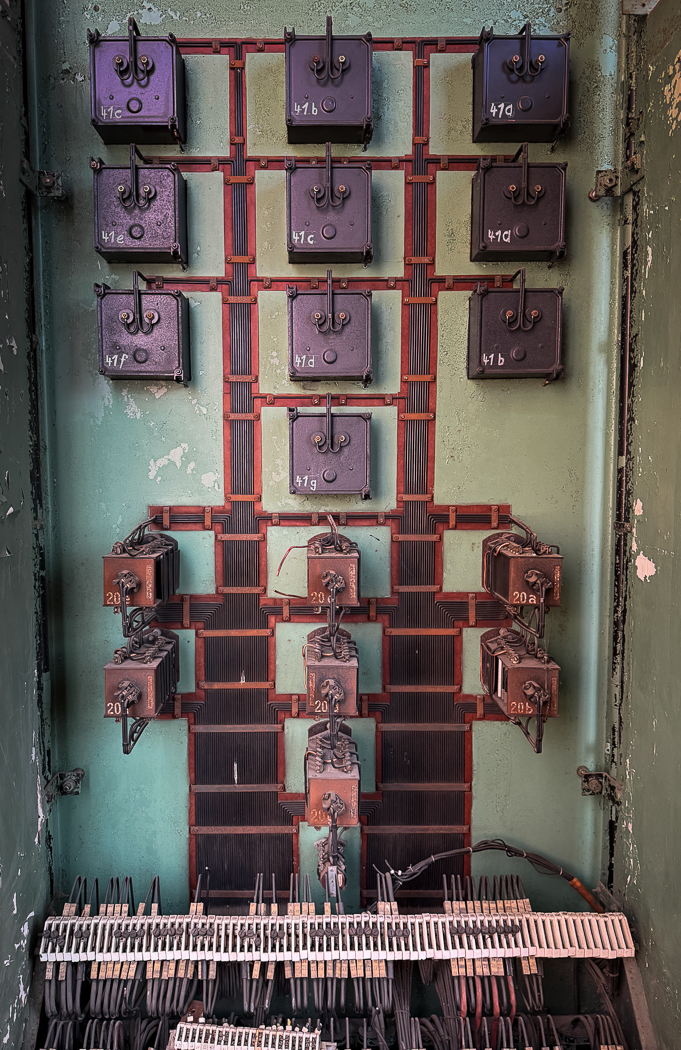
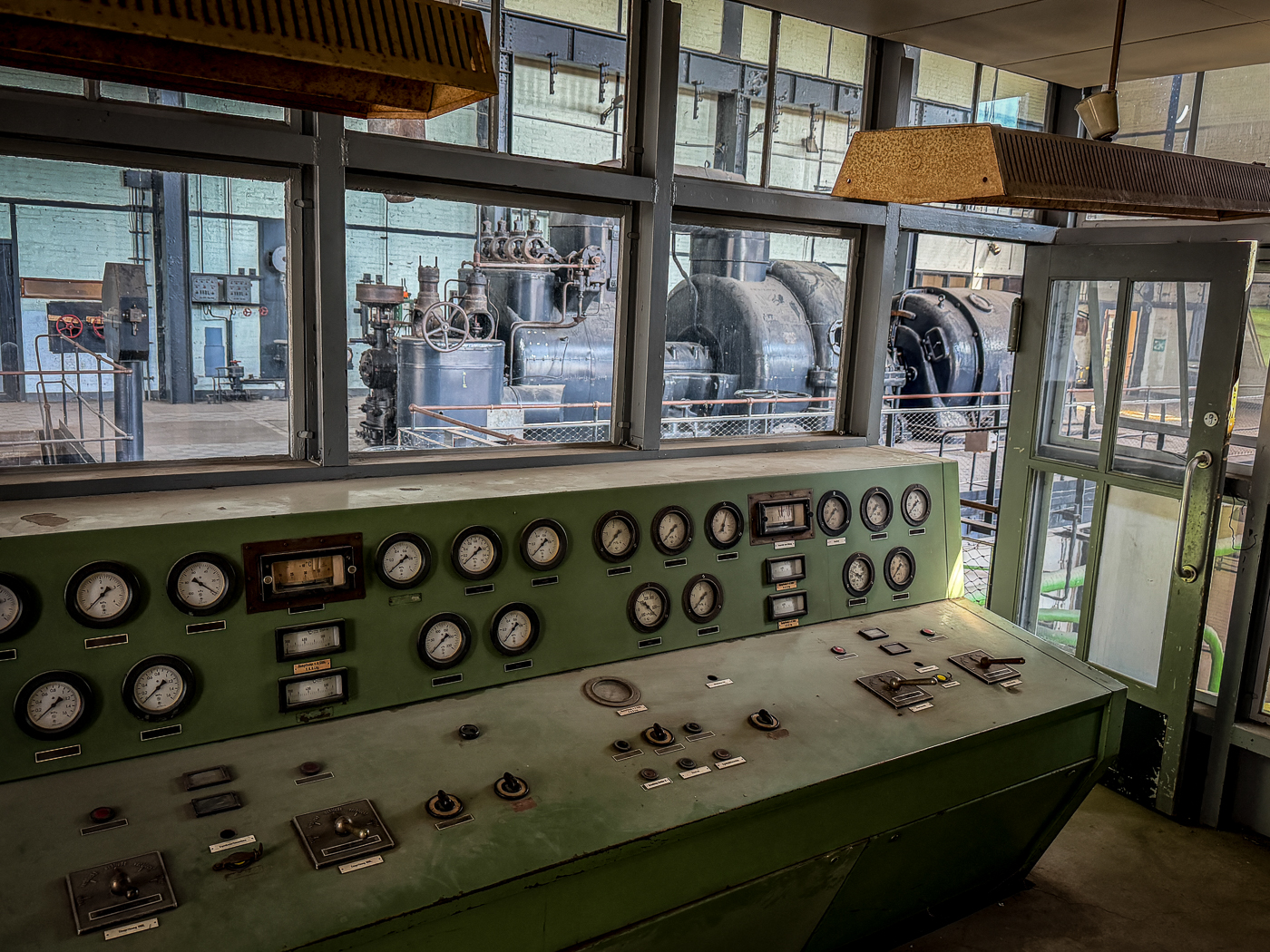
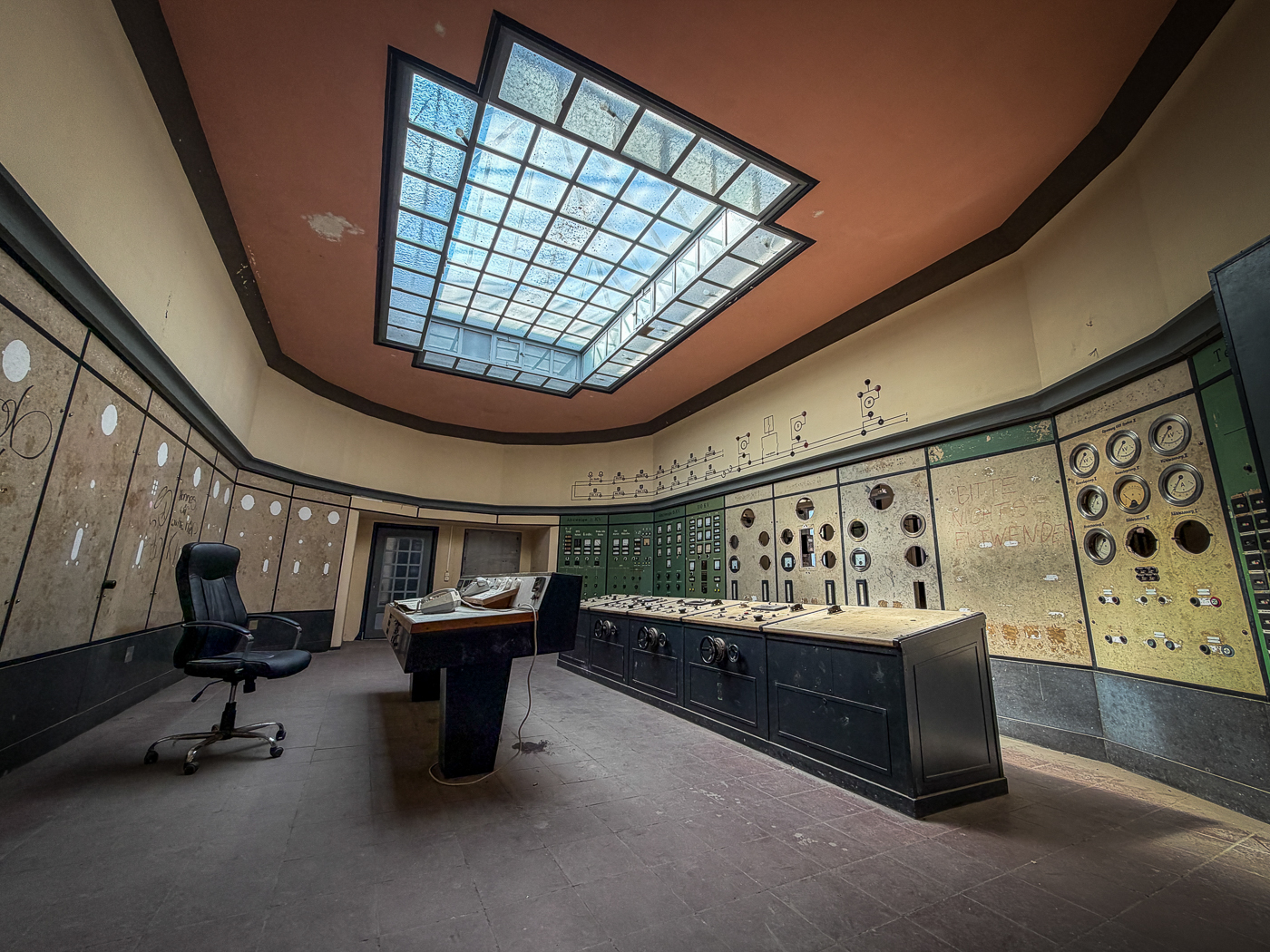
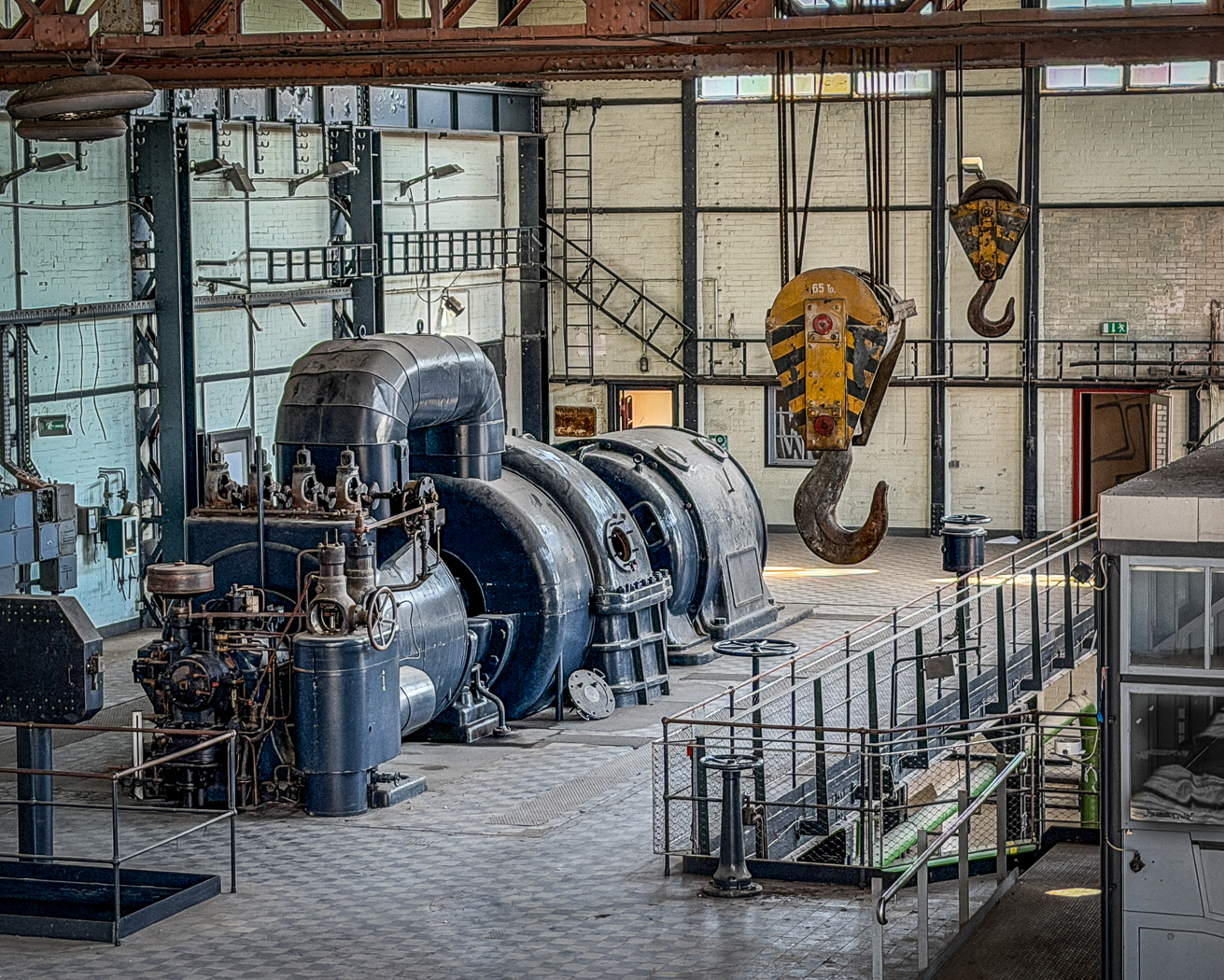
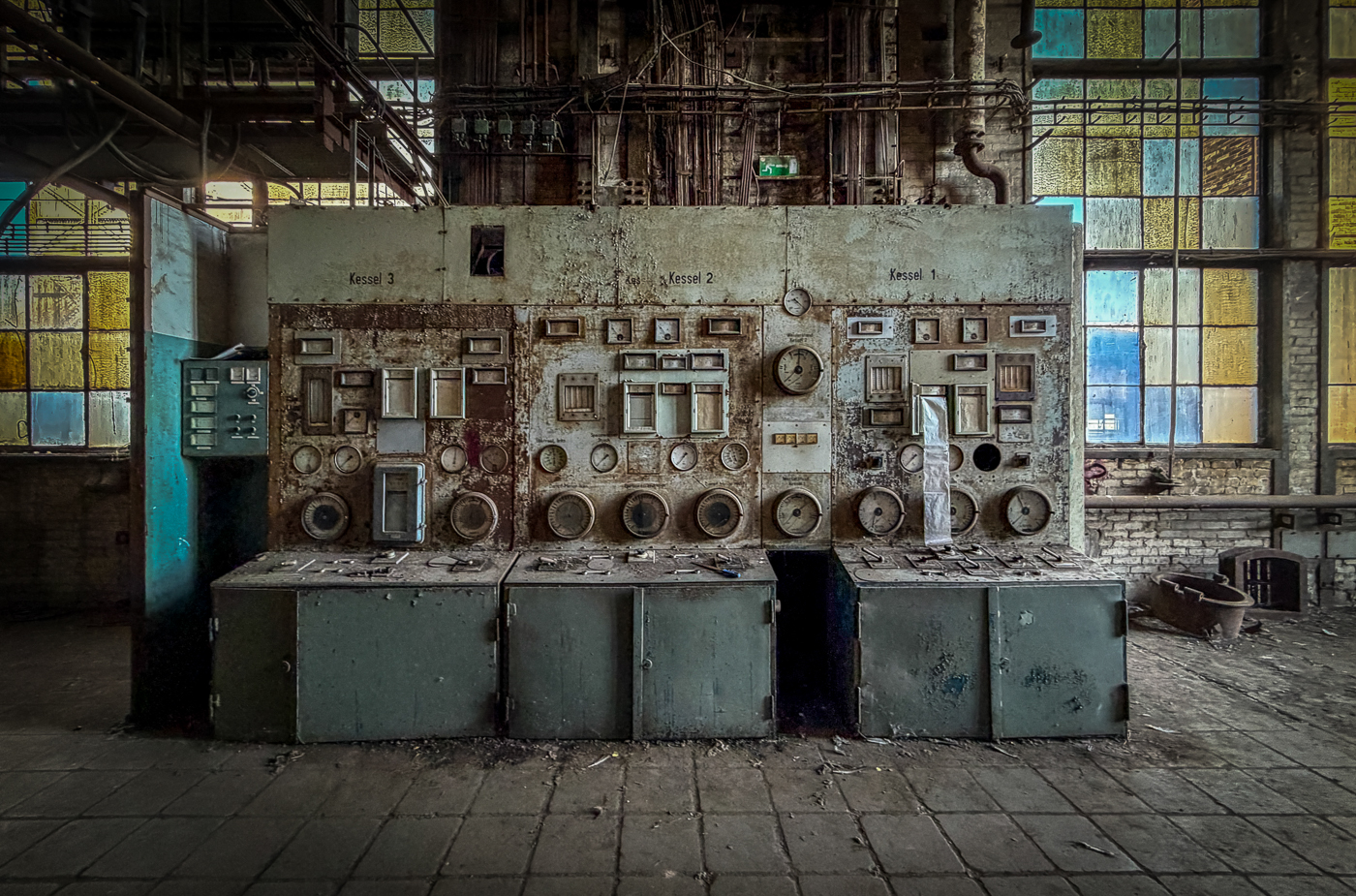
Seven buildings make up the site. Inside are the original machine halls, still in their as-built state, along with the historic control room, huge boilers, a large turbine, old switchboards and a rusting “crocodile” locomotive.
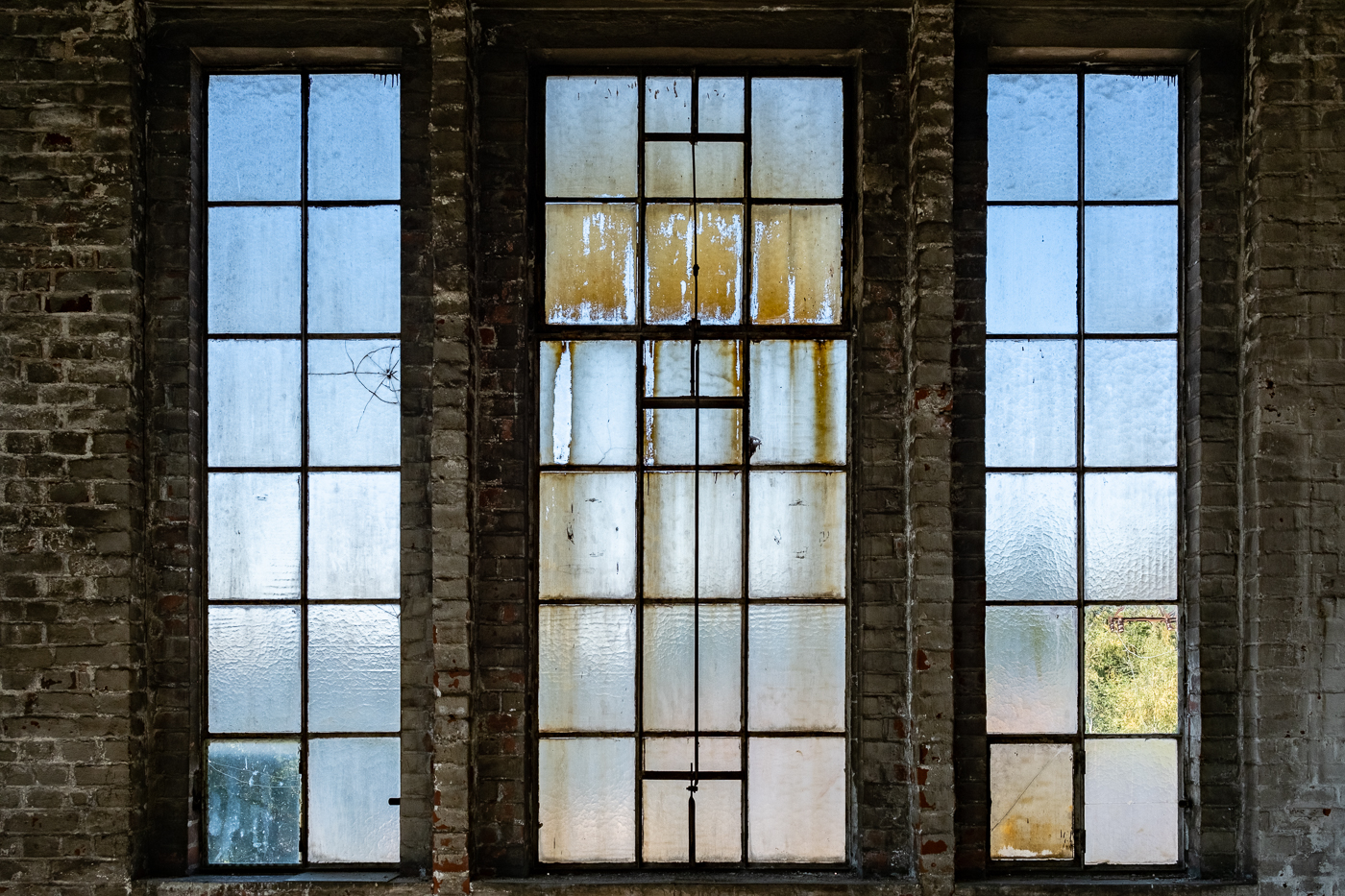
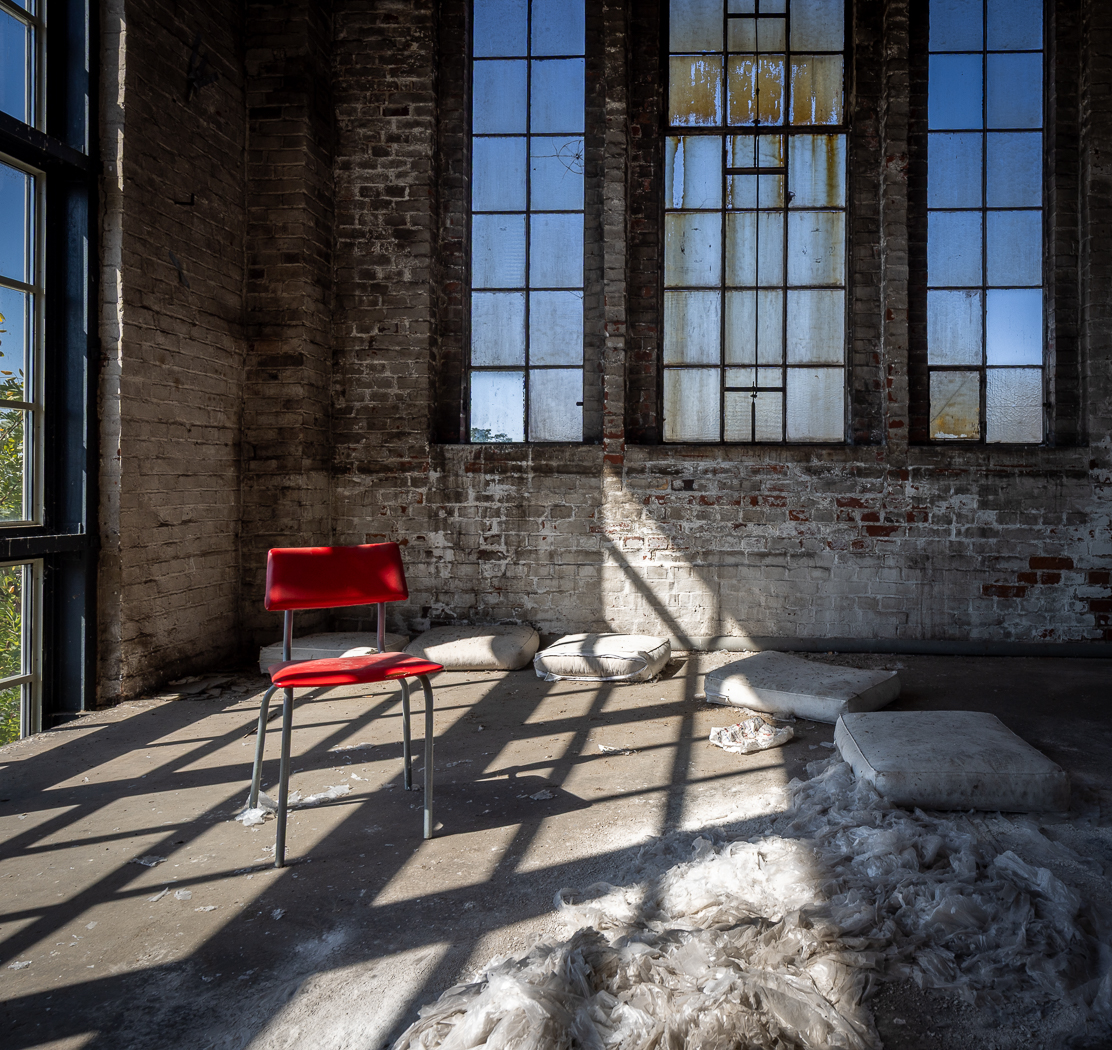
Years of standing empty have taken their toll, and vandalism and scrap metal theft have left their mark. Even so, a remarkable amount of detail survives, and the station remains one of the most important industrial monuments in Lusatia.